Budgeting · Non-monthly expenses
A Bill That Arrives Once a Year: Turn It into a Monthly Set-Aside
A practical way to inventory non-monthly costs and divide them into periodic amounts, with a fictional example and no product recommendation.
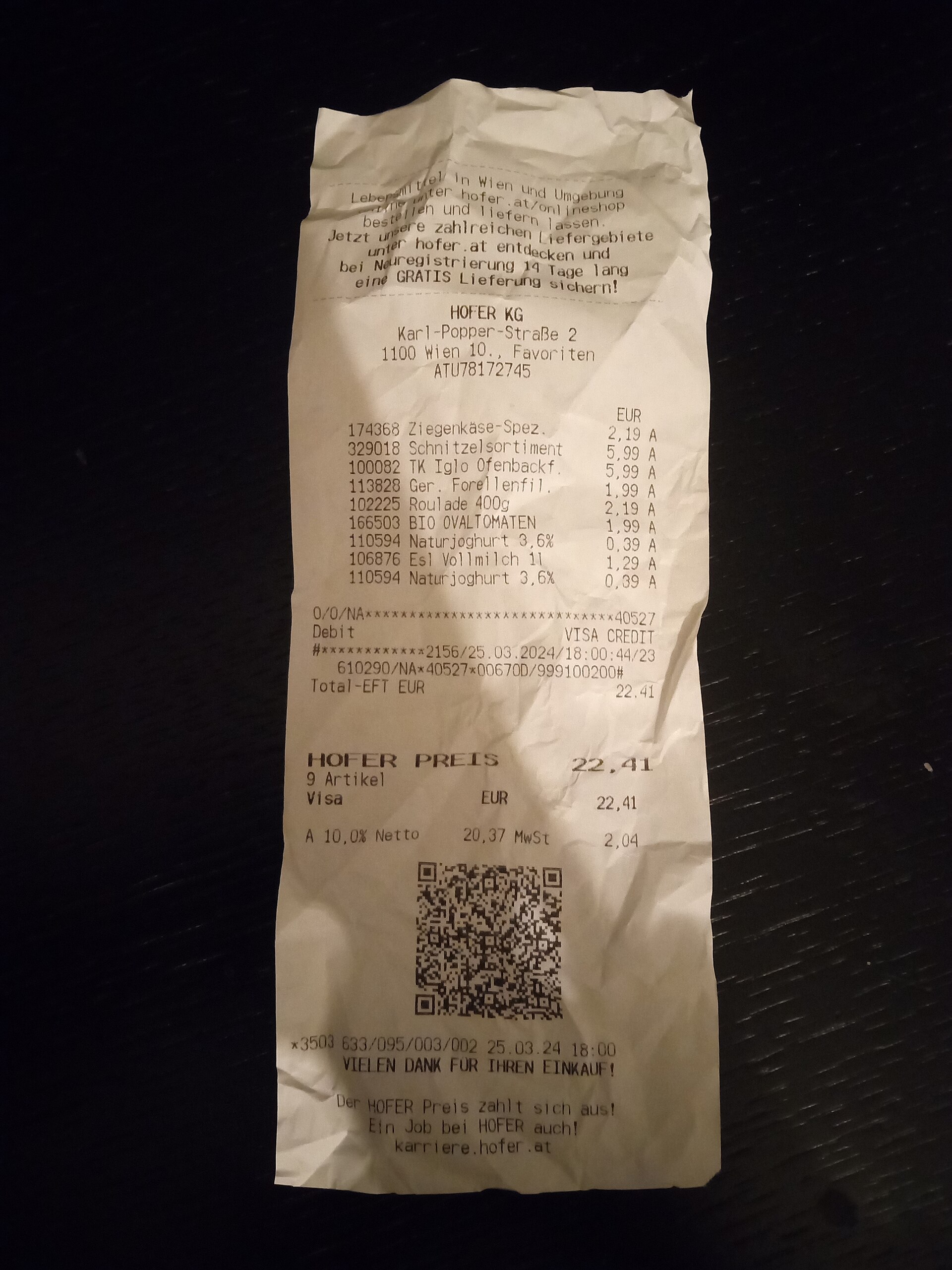
A known annual cost need not be a surprise
Annual insurance, vehicle service, school costs, seasonal gifts or a yearly subscription can disappear from a one-month budget. CFPB guidance recommends looking back over several months so less frequent costs such as insurance, tuition, gifts and holidays are not missed.
Do not call every non-monthly bill an emergency. An unexpected shock and a known future cost are different planning problems.
Build a twelve-month inventory
Review statements, receipts and the previous calendar. Record each known cost and approximate due date without putting card numbers or personal data in a shared sheet.
- Cost and due date.
- Previous amount and evidence.
- Required or optional?
- Can it be cancelled or moved?
- Months remaining.
Fictional example: SAR 3,600 in nine months
A known SAR 3,600 cost due in nine months implies an illustrative SAR 400 monthly set-aside. If two months pass with nothing saved and seven remain, the arithmetic becomes about SAR 514.29 a month. This is not personal advice; it shows the cost of starting later.
If the figure does not fit cash flow, revise honestly: reduce an optional cost, check whether timing or alternatives are available, or extend preparation where possible. Do not make the sheet promise money that is not there.
Where should the set-aside sit?
It may be a named budget line or a separated pot within an existing account if offered. Check fees, withdrawal terms and applicable protection with official sources; this article does not choose an account.
Name the pot by purpose and date rather than simply ‘savings’ so it is less likely to be counted twice or spent elsewhere.
- Keep it separate from the emergency fund.
- Do not assign one balance to two goals.
- Update estimates when a new bill arrives.
- Review next month's dates weekly.
A ten-minute monthly review
A bill calendar records what is owed and when. CFPB's steps are to gather bills, write the amount and due date, keep the calendar visible and compare it with the budget.
At month-end, record plan versus actual and update the remaining months. The goal is not perfect prediction; it is keeping a known cost visible before its due date.
Bottom line
Look across twelve months, list known costs, divide each by the time remaining and revisit monthly. A set-aside is an organizing method, not a guaranteed return or product recommendation.
Official sources and scope
- Consumer Financial Protection Bureau — Assess your spending
- Consumer Financial Protection Bureau — Bill calendar
- Grandmaster Huon / Wikimedia Commons — CC0 photograph record
Checked 3 November 2026 against the US Consumer Financial Protection Bureau's budgeting and bill-calendar tools. General education only; no account, product or personal amount is recommended.